The Fascinating World of Honeybees
At Littlemoss Bees, we invite you to explore the remarkable world of honeybees. These industrious insects are not just responsible for the delicious honey we enjoy; they play a crucial role in maintaining the health of our ecosystems. By pollinating a vast array of plants, honeybees contribute significantly to biodiversity and the food supply that sustains both wildlife and humanity.
The Importance of Honeybees in Nature
Honeybees are vital to agriculture and natural ecosystems. They are responsible for pollinating many fruits, vegetables, and nuts, which together provide a substantial portion of our diet. Without honeybees, many crops would fail to flourish, leading to reduced yields and heightened food scarcity. Their role in nature extends beyond human interest; they support the growth of wild plants that provide habitat and food for other wildlife.
Social Structures of Honeybee Colonies
The complex social structures of honeybee colonies are fascinating to study. A typical colony consists of a single queen, workers, and drones, each playing distinct roles. The queen's primary function is to reproduce, while worker bees perform various tasks such as foraging for food, caring for the young, and defending the hive. This intricate division of labour ensures the survival and efficiency of the colony, showcasing the remarkable cooperation inherent in their behaviour.
The Honey Production Process
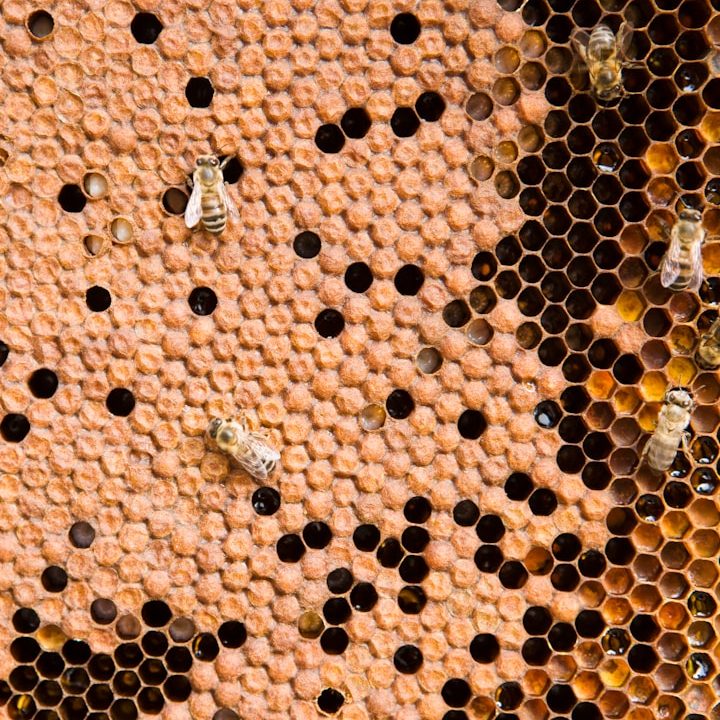
Honey production is a remarkable process that begins with the foraging behaviour of worker bees. They collect nectar from flowering plants, which is then transformed into honey through a combination of enzymatic action and evaporation. This sweet substance serves as a vital food source for the colony, especially during the winter months when foraging is not possible. Discovering how honey is produced not only highlights the industrious nature of bees but also underscores the delicate balance of their ecosystem.
Threats Facing Honeybees Today
Despite their significance, honeybees are currently facing numerous threats that endanger their survival. Pesticides, habitat loss, climate change, and diseases have led to alarming declines in bee populations worldwide. Understanding these challenges is essential for conservation efforts and the sustainable management of bee habitats. By raising awareness and promoting bee-friendly practices, we can all contribute to the protection of these essential pollinators.