Ensuring our honey is safe
“Why did I sign up for this?”
That was my first thought after registering to sell a food product and realising it meant an inspection from an Environmental Health Officer (EHO). If you’ve never had one, it can sound a bit daunting. The idea of someone official coming to check what you’re doing, asking questions, and looking around your workspace is enough to make anyone hesitate. In reality, though, it turned out to be a straightforward and genuinely useful experience.
As soon as you sell food to the public, there are standards to meet. That’s not about making things difficult, it’s about protecting customers and making sure everything is safe and properly handled. The inspection is simply there to check that what you’re doing is clean, consistent, and sensible.
Before the visit, I did a bit of preparation. I read up on what might be required, put together some simple notes, and completed a basic food hygiene course. Like most people would, I also made sure everything was as clean as possible. In the end, that preparation helped more with my own confidence than anything else.
When the inspection took place, it was much simpler than expected. It lasted about an hour and felt more like a conversation than anything formal. The focus was on understanding how I work day-to-day — how food is prepared, how it’s stored, and how it’s packaged. Cleanliness was important, but so was having a clear and consistent way of doing things.
One of the biggest takeaways was that it’s not about having a perfect setup, it’s about having a safe one. You don’t need a professional kitchen or expensive equipment. What matters is keeping everything clean, avoiding contamination, and following the same safe process each time.
There is some paperwork involved, but it’s simple and practical. I was asked to show proof of basic hygiene knowledge, a simple record of what I produce, and a basic cleaning plan. It’s really just about showing that you’re organised and consistent in how you work.
Clear labelling is also an important part of selling any food product. People need to understand what they’re buying, where it comes from, and how long it will last. It’s a simple step, but it plays a big role in building trust.
Before the inspection, it felt like something to worry about. During it, that quickly changed. The inspector was approachable, practical, and helpful. There was no sense of being caught out, just a focus on making sure everything was being done properly.
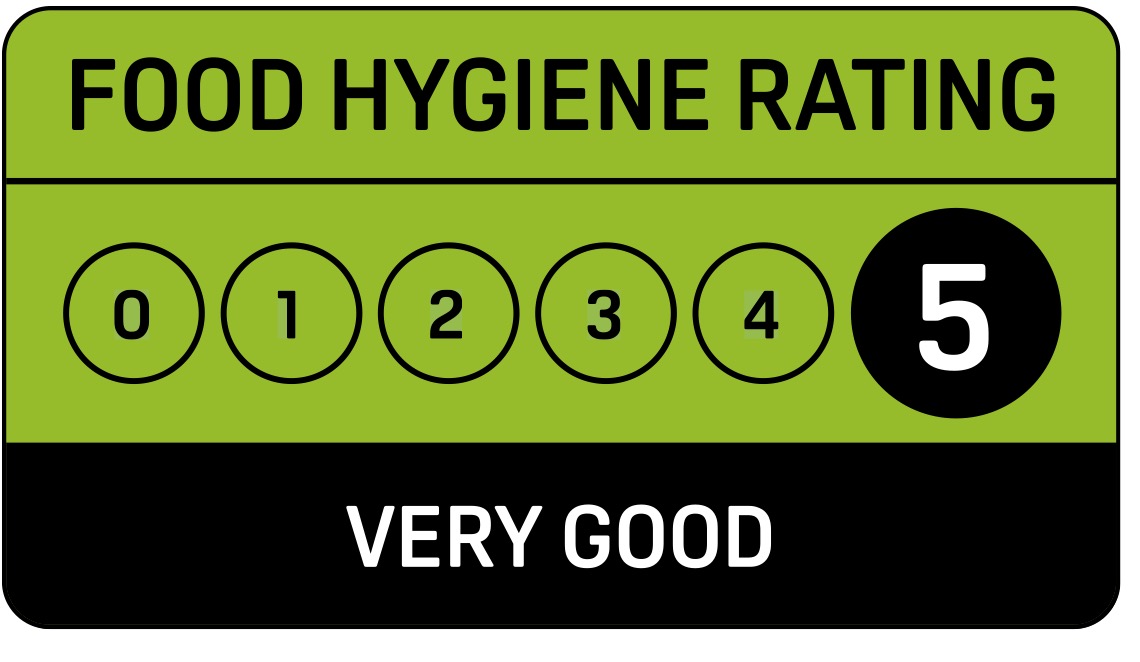
Going through the process had a clear impact. It increased my confidence in how I prepare and handle food, reassured me that my processes meet the required standards, and gave me a better understanding of food safety and traceability. It also resulted in a recognised hygiene rating and certification. What initially felt like a hurdle turned into a positive step forward, both for me and for anyone buying my products.